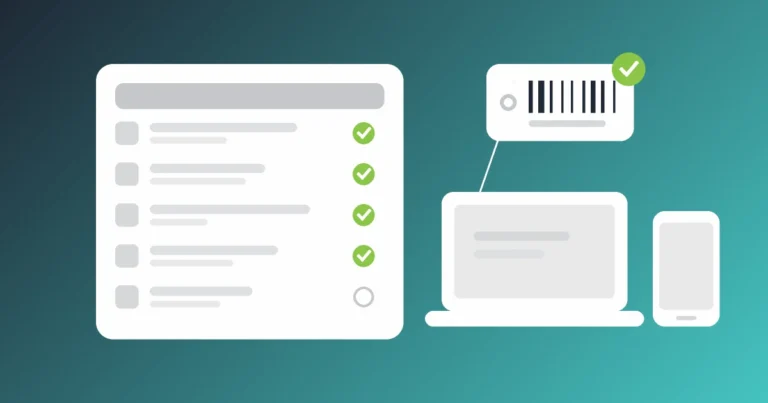
Manage intent
Prioritise searches and campaign types that match the customer journey instead of buying traffic for its own sake.

Turn paid search into a measurable source of leads and sales with structured Google Ads and Microsoft Advertising campaigns, clear conversion tracking and continuous optimisation.
PPC management is the ongoing work of planning, running, measuring and improving pay-per-click campaigns after launch. It includes campaign structure, search-term control, bidding and budgets, ad testing, conversion tracking, landing-page alignment and reporting against the business outcome the campaign is meant to create.
UK IT Services approaches PPC as a managed system rather than a one-off account build: tracking informs decisions, search terms reveal intent, budgets follow evidence and reporting explains what changed and why.
Prioritise searches and campaign types that match the customer journey instead of buying traffic for its own sake.
Use calls, forms, purchases and other meaningful conversions to judge performance.
Review search terms, budgets, bidding, ads and landing-page signals as new data arrives.
Reporting should connect spend, results, account changes and next actions in plain English.
Our PPC management service covers the practical work required to plan, launch, track and improve paid search campaigns. The focus is on relevant traffic, qualified conversions and better use of advertising budget—not vanity metrics.
Search, Display, Shopping, Performance Max and remarketing campaigns structured around your commercial goals, audience and budget.
Paid search · Shopping · PMaxPaid search campaigns across Microsoft Advertising to expand high-intent reach beyond Google where the audience and economics make sense.
Bing search · Incremental reachProduct-focused campaign management for e-commerce businesses, including Merchant Center, feed quality, campaign structure and revenue-led optimisation.
Merchant Center · Product feedsRe-engage previous visitors and qualified audiences with remarketing strategies designed to support longer consideration journeys and repeat exposure.
Audience strategy · Re-engagementGA4 and Google Tag Manager measurement for meaningful actions such as calls, forms, purchases and other campaign conversions.
GA4 · GTM · Conversion actionsRecommendations that improve message match, clarity and conversion paths so paid traffic reaches pages that support the campaign objective.
Message match · Conversion pathEffective PPC management should explain the operational problems that cause wasted spend, not simply promise a return. These are some of the account issues that structured management is designed to control.
Broad targeting and neglected search-term reports can send budget towards queries that were unlikely to become customers.
If calls, forms or sales are missing, duplicated or counted incorrectly, bidding and reporting decisions are built on unreliable signals.
Competition, demand, search terms and automated campaign behaviour change. Accounts need active review rather than a launch-and-leave approach.
Lead-generation PPC can look efficient while creating poor-fit enquiries. Where possible, optimisation should incorporate quality feedback, not form count alone.
A strong campaign can still waste clicks if the destination page is unclear, slow to answer intent or makes the next step difficult.
Clicks and impressions alone do not explain what the agency changed, what the business gained or what should happen next.
Successful PPC management is more than switching campaigns on. We combine account structure, search-term control, tracking, testing and reporting so your advertising activity can be managed against clear objectives.
Understand the current structure before changes are made.
Map high-intent demand and the queries that actually trigger ads.
Reduce irrelevant clicks and control search intent.
Organise spend around priorities and campaign objectives.
Align messaging with search intent and the landing page.
Measure the actions the campaign is expected to create.
Use campaign evidence to control efficiency and scale.
Improve relevance, clarity and conversion paths.
Support longer consideration journeys without forcing it into every campaign.
Connect results to the work completed and the next priorities.
We focus reporting on the commercial measures that matter to your campaign and explain the optimisation work behind the numbers.
The management plan should define what is included, which platforms are in scope and how responsibilities are divided.
Advertising accounts, analytics, billing and tracking responsibilities should be documented before work begins.
Where tracking is incomplete, it is addressed before performance conclusions are presented as fact.
Reports should show the optimisation work completed, not only a collection of platform metrics.
PPC works best when campaign decisions connect directly to the way your business generates enquiries, sales and revenue. Our approach combines campaign management, measurement and practical communication.
Direct campaign support with an account-management approach built around your objectives.
Optimisation informed by search terms, conversions, cost, audience signals and campaign performance.
Reporting designed to show performance and the actions being taken—not only clicks and impressions.
Campaign structure shaped around your market, budget, goals and customer journey rather than a fixed template.
We start by understanding your current position and the outcomes you need, then build a campaign plan with measurement in place before ongoing testing and optimisation.
Review your goals, audience, current account, conversion paths and existing campaign data.
Map keywords, search intent, competitors, budgets, campaign types and the tracking required.
Create or restructure campaigns, ads, assets and tracking before controlled launch and validation.
Review search terms, bids, budgets, ads, conversions and landing-page performance on an ongoing basis.
A new PPC engagement should make the next steps clear without pretending every account needs the same timeline or promising a fixed performance outcome.
Confirm objectives, account access, billing, analytics, conversion actions and decision-makers.
Identify tracking gaps, structure issues, search intent, campaign opportunities and launch priorities.
Gather reliable data, remove obvious waste, test changes and avoid overreacting to small samples.
Reallocate budget, refine targeting, test ads and translate performance into clear next actions.
The pace depends on account history, budget, conversion volume, platform learning and the scale of changes required.
A PPC audit gives you a clearer view of how the account is structured, what is being measured and where performance may be leaking. It can be used before a new engagement or to assess an existing Google Ads account.
PPC audit services should produce prioritised findings rather than a generic score. The review can focus on the account areas most likely to affect spend quality, measurement and conversion performance.
The right PPC setup depends on how customers buy. Lead-generation campaigns, e-commerce campaigns and multi-stage customer journeys each need different conversion signals, targeting and reporting.
For B2B companies, professional services and businesses where an enquiry, phone call or booked consultation is the primary conversion.
For longer sales cycles where a B2B PPC agency needs to connect high-intent search demand with pipeline quality rather than treating every lead as equal.
For online retailers that need product visibility, revenue tracking and campaign decisions tied to product and order performance.
For services and products where prospects need multiple interactions before converting, with remarketing used to support the wider paid-search journey.
PPC pricing has two separate parts: the budget paid to the advertising platform and the fee for managing the account. Management requirements vary according to account size, campaign complexity, platform mix, tracking and reporting needs.
Instead of publishing mixed-currency or one-size-fits-all packages, we scope PPC management around the work your account actually requires and provide a clear proposal before work begins.
Performance reporting should show more than clicks and impressions. The right measures depend on your objective, but reporting can include spend, conversions, cost per lead or acquisition, revenue and return on ad spend where revenue data is available.
We use the conversion data available to judge whether campaigns are moving towards the outcomes your business needs. Where tracking is incomplete, measurement is addressed before performance claims are made.
PPC management is not automatically the right model for every business. The important question is whether your team has the time, skill and measurement discipline to keep the account actively managed after launch.
| Approach | What it can suit | Main limitation | Ongoing requirement |
|---|---|---|---|
| Self-managed PPC | An in-house marketer with genuine paid-search experience and enough time to review the account. | Performance can drift when search terms, bidding, tracking and testing are not reviewed consistently. | Internal ownership of strategy, implementation, tracking and reporting. |
| One-off campaign setup | A business that needs a clean launch and has someone internally to take over management afterwards. | The account still needs ongoing decisions once real search and conversion data arrives. | A capable person must continue optimisation after handover. |
| Managed PPC services | Businesses that want an accountable PPC management agency to own the agreed campaign work and reporting cadence. | Requires a clear brief, reliable access and collaboration on commercial context and lead or sales quality. | Ongoing agency management plus client feedback on business outcomes. |
Before appointing a PPC agency, look for clear evidence, pricing logic, process, measurement discipline and account transparency. These questions help you compare providers on the work that actually affects campaign performance.
Ask whether the day-to-day manager is the same person you meet during sales and how specialist support is brought in.
Campaign optimisation is only as reliable as the actions being counted. Tracking should be checked before strong performance conclusions are made.
Search terms, negatives, budgets, bids, ads, campaign structure and landing-page signals should have a defined review process.
You should understand what goes to the advertising platform and what pays for the management service.
Ask for spend, conversions, commercial KPIs where available, changes made and the next actions—not just clicks and impressions.
Advertising account, analytics, billing and access responsibilities should be agreed clearly before work starts.
Awards, partner badges, reviews and case studies should be verifiable. Avoid generic claims that cannot be traced to a real source.
PPC performance can be limited by the destination page. Clarify whether the agency only runs ads or can also identify conversion-path problems.
Answers to common questions from businesses considering a PPC agency or reviewing an existing paid-search account.
A PPC agency plans, builds, manages and optimises paid advertising campaigns. This can include keyword research, campaign structure, ad copy, bidding, budget management, conversion tracking, search-term analysis, remarketing and performance reporting.
PPC management pricing varies according to account complexity, the number of campaigns and platforms, tracking requirements and the level of ongoing optimisation. Advertising spend is separate from the agency management fee.
Yes. Your advertising budget pays for media on platforms such as Google Ads or Microsoft Advertising. PPC management covers the work required to plan, run, optimise, track and report on the campaigns.
Our PPC service focuses on paid search and related Google and Microsoft advertising formats, including Search, Shopping, Performance Max, Display, YouTube and remarketing where appropriate. Paid social is handled through our separate Paid Ads service.
Yes. A PPC account audit can review campaign structure, search terms, keyword targeting, conversion tracking, bidding, budgets, ad relevance, landing-page alignment and areas of wasted spend or missed opportunity.
Eligible ads can begin generating traffic once campaigns are approved and live. Reliable performance trends take longer and depend on budget, competition, conversion volume, account history and the amount of optimisation data available.
Yes. Reporting focuses on the metrics that matter to your campaign goals, such as spend, conversions, cost per lead or acquisition, revenue or return on ad spend where revenue data is available, and the optimisation actions taken.
Paid social advertising is covered through our separate Paid Ads service. Keeping paid search and paid social clearly structured helps align platform strategy, creative requirements and reporting with the right service.
PPC management can include account and campaign review, keyword and search-term research, negative-keyword management, budget allocation, ad copy and assets, conversion tracking, bidding optimisation, landing-page recommendations, remarketing and performance reporting.
Yes. An existing account can be audited before changes are made so useful history is retained, tracking is checked and the management plan is based on evidence rather than rebuilding automatically.
A one-off setup gets campaigns ready to launch. Ongoing PPC management continues after launch with search-term review, budget and bid decisions, ad testing, tracking checks and reporting as competition, demand and campaign data change.
PPC can be structured for B2B lead generation around high-intent searches, form and call tracking, landing-page relevance and, where available, feedback on lead quality so optimisation is not based on form volume alone.
E-commerce PPC can include Google Shopping, Performance Max, Merchant Center and feed quality, product-level performance analysis, remarketing and revenue-based reporting where reliable transaction data is available.
PPC and SEO solve different timing problems. PPC can create paid visibility once campaigns are live, while SEO develops organic visibility over time. Many businesses use both, with PPC supporting immediate demand capture and testing while SEO builds longer-term organic growth.
Understand ad spend, typical cost factors and the difference between media budget and management cost.
4.7 out of 5 on Google. Verified reviews from businesses we support across Crawley, London and the South East. Read them in full on our Google Business Profile.
Very happy with the website maintenance service. Updates are handled promptly and without disruption.
Professional service with fast response times. Highly recommended.
A highly capable professional who easily finds solutions to problems and learns quickly.
Short, practical guides on paid search, websites and the technology behind digital growth.
Tell us about your current campaigns, goals and advertising challenges. We’ll use the conversation to understand what you need and recommend the most appropriate next step.