Your website is your most visible member of staff. It works around the clock, fields enquiries, and shapes what potential clients think of your business before they’ve spoken to a single person on your team. If it’s doing that job badly, every day costs you.
These are the seven signs that tell you it’s time for a change, and what you can do about each one.
1. Your Site Takes Too Long to Load
Speed matters more than most business owners realise. Google’s own research found that 53% of mobile users will leave a site that takes longer than three seconds to load. That’s more than half your potential customers gone before they’ve seen what you offer.
For UK businesses, a slow website isn’t just a frustrating experience for visitors. It actively damages your position in search results. Google uses page speed as a direct ranking factor, which means a sluggish site pushes you further down the page and hands enquiries to your competitors.
Run your site through Google PageSpeed Insights and check where you land. If your scores are sitting in the red or amber zones, that’s not a cosmetic problem. It’s a business problem, and it’s fixable.
2. It Doesn’t Work Properly on Mobile
More than 60% of all web searches in the UK now happen on mobile devices. If your site squishes into a mess of tiny text and overlapping buttons the moment someone picks up their phone, they’ll leave. They won’t come back.
This is doubly damaging because Google now uses mobile-first indexing. That means Google looks at the mobile version of your site when deciding where to rank you. A poor mobile experience doesn’t just lose you visitors. It directly affects your visibility in search results.
A proper redesign builds your site for mobile from the ground up, not patched to cope with it as an afterthought. The difference in how visitors behave on a genuinely mobile-friendly site is noticeable almost immediately.
3. Your Bounce Rate Is High and Conversions Are Low
Traffic without action is just noise. If people are landing on your site and leaving almost straight away without filling in a form, making a call, or browsing further, something is wrong.
High bounce rates are usually a signal of one of three things: the design is confusing, the content doesn’t match what visitors expected, or there’s no obvious next step to take. Most business owners assume the problem is their marketing. Often it’s the website.
A well-designed site guides visitors naturally towards a decision. Clear calls to action, logical page layouts, and copy that speaks directly to the reader’s concern all make a real difference. If your site doesn’t do those things, a redesign isn’t a luxury. It’s an investment with a measurable return.
4. The Design Looks Dated
First impressions happen fast. Research from Google suggests that users form a visual impression of a website within 50 milliseconds. If your site looks like it was built a decade ago, that impression is working against you before a visitor has read a single word.
An outdated design signals more than poor aesthetics. It tells potential clients that you may not keep pace with change, or that the quality of your service might not match modern standards. It erodes trust before you’ve had the chance to earn it.
Your website should reflect where your business is today. UK IT Services provides professional web design built to represent businesses accurately and position them competitively against similar providers in their sector.
5. It’s Difficult to Update
If adding a new case study, changing your phone number, or uploading a recent project photo requires you to email a developer and wait several days, your website is getting in the way of your business.
A well-built modern site gives you control. You should be able to update content yourself without technical knowledge or a developer on speed dial. If that’s not the case, you’re losing time and falling behind on the fresh, regularly updated content that search engines look for when deciding how to rank your pages.
Keeping a site current is part of ongoing website maintenance: regular updates, security patches, and performance checks that keep everything running as it should. A redesign is a good opportunity to move onto a platform that makes your life easier, not harder.
6. Your Website Has Security Vulnerabilities
This one catches many business owners off guard. An older site built on outdated technology carries real risk. Themes and plugins that haven’t been updated, PHP versions that are no longer supported, and sites without an SSL certificate are open doors for attackers.
The consequences of a breach go beyond the immediate disruption. Under UK GDPR, a data breach that exposes customer information must be reported to the ICO within 72 hours. The reputational damage can last far longer than that.
A redesign doesn’t just improve the way your site looks. It gives you the chance to rebuild on a secure, modern foundation. Pair that with ongoing cyber security support and you have a site that’s both credible and protected from the threats that are increasingly targeting UK small businesses.
7. Your Competitors’ Sites Are Better Than Yours
This is the sign that most businesses miss, because it requires honest self-assessment. Visit your top three competitors’ websites right now. Compare them to yours on mobile. Look at the layout, the speed, the clarity of the message, and how easy it is to get in touch.
If their sites are cleaner, faster, and more reassuring than yours, they’re winning business that could be coming to you. A prospective client comparing several suppliers will be influenced, often without realising it, by the quality of each website they visit. First impressions count, and they count quickly.
You don’t need to outspend them. You need a site that’s professional, fast, and clear about what you offer. That’s achievable for most UK small and medium-sized businesses with the right support.
What Does a Website Redesign Actually Involve?
A lot of business owners hold back because they picture months of disruption and a sizeable invoice at the end. The reality is more measured than that.
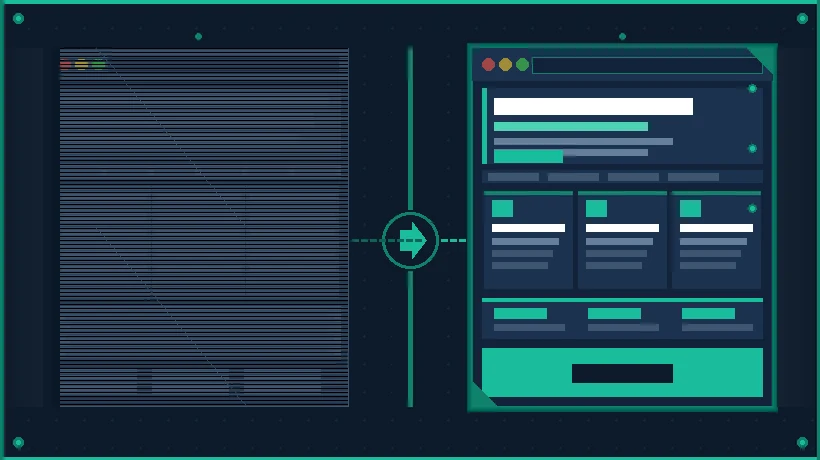
A good redesign starts with understanding your business, your customers, and what you need the site to do. From there it follows a clear process: agreeing the structure and pages, designing to your brand, building and testing properly, and then launching without taking your current site offline. Your existing website stays live throughout.
UK IT Services manages the full process from initial scoping through to launch and beyond. You can pair a redesign with SEO services to make sure your new site gets found, or combine it with managed IT support to look after the wider technology your business runs on day to day.
Frequently Asked Questions
How often should a business website be redesigned?
Most websites start to feel their age within three to five years. There’s no fixed rule, but if you’re recognising several of the signs above, it’s worth an honest assessment now rather than waiting for a scheduled milestone. Technology and design standards move quickly, and the longer you wait, the further behind your competitors you fall.
Will a website redesign affect my Google rankings?
It can, if it’s handled carelessly. Changing URLs or altering the site structure without proper planning can cause a temporary dip in rankings. Done correctly, a redesign protects your existing rankings and gives them room to grow. Agreeing a proper migration plan before anything goes live is a non-negotiable part of any professional project.
How long does a website redesign take?
It depends on the size and complexity of the project. A straightforward small business site typically takes four to eight weeks from kick-off to launch. Larger sites take longer. The key is agreeing a clear scope upfront so there are no surprises mid-project.
Do I need to take my website offline during a redesign?
No. Your new site is built and tested on a staging environment, then switched over when everything is ready. Your current website stays live and functional right up until the handover. There’s no downtime for your visitors or your business.
How much does a website redesign cost for a UK small business?
Costs vary depending on the size of the site and what’s included. For most UK small and medium-sized businesses, a professional redesign sits somewhere between £1,500 and £8,000. What matters more than the upfront cost is what the site does for your business afterwards: more enquiries, better visibility, and a stronger first impression for every visitor who lands on it.
A website that works against you is a problem you can solve. If several of these signs feel familiar, the first step is a conversation. Contact UK IT Services for a free consultation and find out what a redesign could genuinely do for your business.